

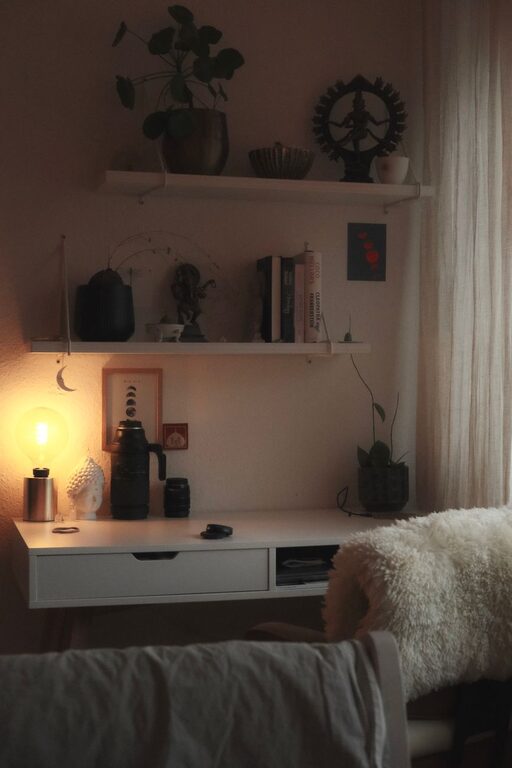
Creating a home workspace that feels both relaxing and productive is key to maintaining focus and well-being throughout the workday. Whether you work remotely full-time or just occasionally, the environment where you spend your work hours greatly influences how you feel and perform. In this post, we’ll explore practical tips to help you design a workspace at home that promotes calmness while boosting your productivity.
Why a Relaxing Workspace Matters
A cluttered or uncomfortable workspace can increase stress levels and decrease motivation. On the other hand, a thoughtfully designed area can help you feel more relaxed, focused, and energized. When your workspace supports your well-being, you tend to work more efficiently and enjoy the process.
Choose the Right Location
Find a Quiet Spot
Select a location in your home that offers minimal distractions and noise. If possible, pick a room or corner away from high traffic areas like the kitchen or living room.
Prioritize Natural Light
Position your desk near a window to benefit from natural light. Sunlight can help improve mood and reduce eye strain. If natural light is limited, invest in good quality adjustable lighting.
Invest in Comfortable and Functional Furniture
Ergonomic Chair and Desk
Comfortable seating with proper back support is crucial. An ergonomic chair helps prevent back pain and fatigue. Pair it with a desk at the right height—your elbows should be at about 90 degrees when typing.
Adjustable Equipment
Consider an adjustable monitor stand or a laptop riser to ensure your screen is at eye level. This setup encourages good posture and reduces neck and shoulder strain.
Personalize Your Space Thoughtfully
Use Calming Colors
Soft, neutral colors such as light blues, greens, or pastels can create a soothing atmosphere. Avoid overly bright or harsh colors that may cause distraction or discomfort.
Add Plants
Indoor plants not only add a touch of nature but can also improve air quality and boost mood. Succulents or low-maintenance plants like snake plants are great for busy workspaces.
Keep It Organized
Clutter can be stressful. Use storage solutions like shelves, baskets, or desk organizers to keep your workspace tidy. A clean desk can help clear your mind and enhance focus.
Incorporate Relaxation Elements
Soothing Scents
A mild scent from essential oils or candles, like lavender or eucalyptus, can promote relaxation. However, be mindful of any allergies and avoid overpowering fragrances.
Soft Textiles
Adding a cushion to your chair or a cozy throw blanket nearby can make the space feel more comfortable and inviting.
Manage Noise and Distractions
Use Noise-Cancelling Headphones
If you live in a noisy environment, noise-cancelling headphones can help block out distractions and maintain concentration.
Play Background Music or White Noise
Some people find soft instrumentals or white noise beneficial for focus. Experiment to see what helps you best.
Take Breaks and Move Around
No matter how perfect your workspace is, it’s important to take regular breaks to stretch and rest your eyes. Standing or walking for a few minutes each hour can enhance circulation and reduce tiredness.
Maintain Boundaries
Separate Work from Home Life
Where possible, create a physical boundary between your workspace and living areas. This separation helps your mind switch between work time and relaxation.
Set Clear Working Hours
Establishing and sticking to a schedule can prevent burnout and maintain a healthy balance.
Final Thoughts
Designing a relaxing home workspace is about balancing comfort, functionality, and personal touches that support your unique needs. By creating a space that encourages calm and focus, you can boost your productivity while taking care of your well-being. Start small and adjust your space gradually to find what works best for you.
Remember, your workspace should inspire you to do your best work while feeling like a pleasant, stress-free environment. With the right setting, working from home can be both productive and enjoyable.