

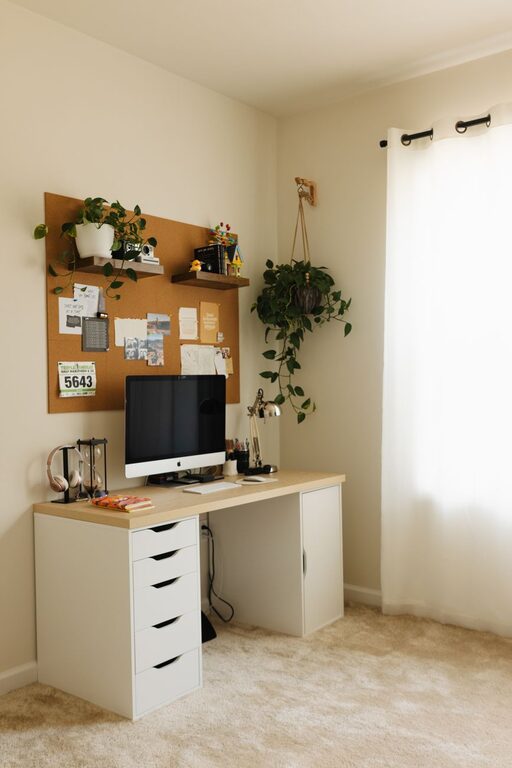
Creating a cozy and productive home office is essential for anyone who works remotely or spends a significant amount of time at home managing tasks. A well-designed workspace can boost your focus, motivation, and comfort, making your workday more enjoyable and efficient. Whether you have a dedicated room or a small corner, these tips will help you craft the ideal home office environment.
Choose the Right Location
Selecting the right spot in your home is the first step toward setting up a successful office space. Consider these factors when choosing your location:
– Natural light: Position your desk near a window to benefit from daylight, which can improve mood and reduce eye strain.
– Quietness: Select a low-traffic area that minimizes noise and distractions.
– Space availability: Ensure there is enough room for your desk, chair, and required equipment.
If space is limited, try using room dividers or shelves to create a distinct office zone.
Invest in Comfortable, Functional Furniture
Comfort is key to staying productive during long work sessions. Here’s what to keep in mind:
– Ergonomic chair: Choose a chair that supports your back, encourages good posture, and has adjustable height.
– Desk size: Opt for a desk that fits your needs, providing enough surface area for your computer, documents, and accessories.
– Flexible furniture: Consider adjustable desks or standing desks to change positions and reduce fatigue.
A good investment in quality furniture promotes physical well-being and focus.
Organize Your Workspace for Efficiency
A clutter-free environment helps clear your mind and encourages productivity. Try these organizing strategies:
– Use storage solutions: Shelves, drawers, and filing cabinets keep items tidy and accessible.
– Cable management: Use clips, sleeves, or under-desk trays to keep cords out of sight.
– Desk essentials: Only keep frequently used items on your desk to avoid unnecessary clutter.
Regularly declutter your workspace to maintain its neatness.
Add Personal Touches for Comfort and Inspiration
Personalizing your office can make it feel inviting and inspire creativity. Consider adding:
– Plants: Indoor plants improve air quality and add a calming, natural element.
– Artwork: Display posters, photos, or prints that motivate or relax you.
– Soft textiles: Use cushions, rugs, or throws to add warmth and texture.
Just remember to balance personalization with professionalism if you attend video calls.
Control Lighting for Eye Comfort and Ambiance
Proper lighting reduces eye strain and sets the mood. Here’s how to optimize it:
– Layer light sources: Combine ambient, task, and accent lighting for flexibility.
– Desk lamp: Use adjustable lamps to focus light on your work without glare.
– Avoid harsh overhead lighting: Soft, warm-toned bulbs create a more welcoming atmosphere.
Natural light supplemented with quality artificial lighting helps sustain energy levels.
Minimize Distractions and Set Boundaries
Creating clear boundaries between work and home life helps maintain focus. Try these tips:
– Use noise-cancelling headphones: They help block out background sounds.
– Set boundaries with family or housemates: Communicate your work hours and space needs.
– Establish a routine: Begin and end your workday consistently to build good habits.
These steps cultivate a mindset that separates work time from personal time.
Incorporate Technology That Supports Your Work
Technology plays a vital role in a productive home office. Consider:
– Reliable internet connection: Ensure your Wi-Fi is strong and stable to avoid interruptions.
– Quality peripherals: Invest in a good monitor, keyboard, mouse, and webcam if needed.
– Backup power: A UPS or surge protector protects your devices and data.
Keeping your technology updated and organized helps streamline your workflow.
Make Time for Breaks and Movement
Taking regular breaks is crucial to avoid burnout and maintain productivity:
– Use timers or apps: Reminders encourage standing, stretching, or short walks.
– Incorporate movement: Simple exercises or yoga stretches can refresh your mind.
– Relaxing corners: If space allows, have a small area for brief relaxation.
Balancing work with rest supports focus and overall health.
—
By thoughtfully designing your home office with these tips, you can create a cozy space that supports your productivity and well-being. Remember, your workspace should reflect your needs and preferences, evolving as your work habits change. With a few adjustments, your home office can become a place you look forward to spending time each day.