

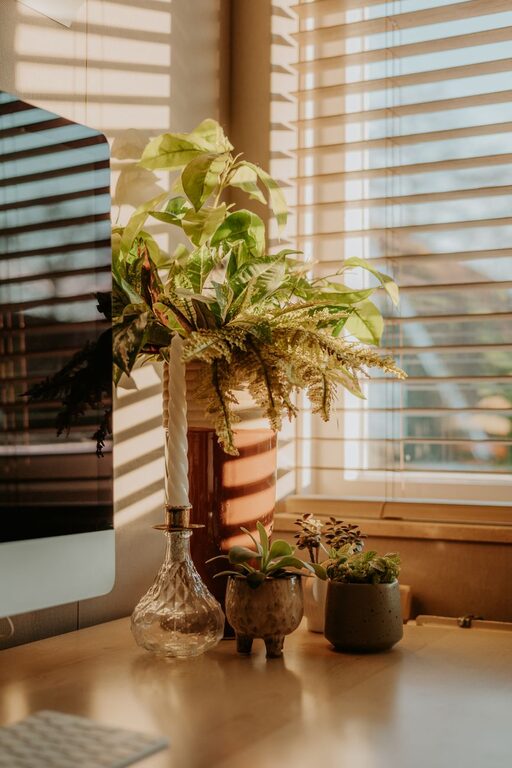
Creating a relaxing home office environment is essential for maintaining productivity and well-being while working from home. When your workspace feels calm and inviting, it’s easier to concentrate, complete tasks efficiently, and even enjoy your work more. In this post, we’ll explore practical tips to transform any room or corner into a soothing and functional office space.
Why a Relaxing Home Office Matters
Working remotely often blurs the lines between personal and professional life. A cluttered or stressful workspace can increase anxiety and disrupt focus. Conversely, a well-organized and peaceful environment helps reduce distractions, lower stress levels, and create a clear mental boundary between work and relaxation.
Choose the Right Location
Finding the ideal spot in your home is the first step toward creating a relaxing office.
– Natural Light: Pick a space near a window if possible. Natural light improves mood and energy levels.
– Quiet Area: Select a quiet area away from household noise, pets, or heavy foot traffic.
– Separation: If space allows, try to separate your office from other living areas to create a dedicated zone for work.
Invest in Comfortable Furniture
Comfort plays a huge role in how relaxed you feel during your workday.
– Ergonomic Chair: Choose an adjustable chair that supports good posture and reduces back strain.
– Desk Setup: Use a desk at the right height to keep your wrists and arms in a natural position.
– Footrest and Accessories: Consider a footrest or wrist pads for additional comfort.
Keep Your Workspace Organized
Clutter can be a major stressor. Keeping your office neat promotes calmness and efficiency.
– Storage Solutions: Use shelves, drawers, or boxes to keep essentials tidy and off your desk.
– Minimalism: Only keep items you regularly use within reach. Store or remove unnecessary clutter.
– Cable Management: Use cable ties or organizers to keep electronic cords tidy and untangled.
Personalize Your Space Wisely
Adding personal touches can make your office feel more welcoming but avoid overdoing it.
– Plants: Incorporate a few small indoor plants to bring life and improve air quality.
– Artwork: Choose calming artwork or photographs that inspire positivity without causing distraction.
– Color Scheme: Use soothing colors like soft blues, greens, or neutrals to create a peaceful atmosphere.
Control Lighting and Sound
Proper lighting and sound management can enhance relaxation and focus.
– Layered Lighting: Combine natural light with soft, warm desk lamps or overhead lighting.
– Window Treatments: Install blinds or curtains to reduce glare and control brightness.
– Noise Reduction: Use noise-cancelling headphones, white noise machines, or soft background music to block disruptive sounds.
Create a Routine and Boundaries
Your physical environment works best when paired with healthy work habits.
– Set Hours: Define clear work hours to help separate work time from personal time.
– Take Breaks: Step away regularly for short breaks to stretch or breathe deeply.
– End-of-Day Ritual: Establish a routine that signals the end of the workday, like tidying your desk or shutting down your computer.
Incorporate Relaxation Techniques
Integrating small relaxation practices can maintain calm during busy days.
– Mindfulness: Keep a meditation app or deep-breathing exercises handy.
– Aromatherapy: Use essential oils or candles with relaxing scents like lavender or eucalyptus, if allowed.
– Movement: Include space for stretching or light exercises nearby.
Keep Technology User-Friendly
Technology can simplify tasks but also cause frustration if not managed well.
– Reliable Equipment: Ensure your computer, printer, and other essentials are up to date and functioning well.
– Cable Organization: Keep cables tidy to avoid distractions and accidents.
– Digital Declutter: Regularly clear your desktop and email inbox to minimize digital overload.
Maintain Cleanliness
A clean office helps maintain mental clarity.
– Regular Cleaning: Dust surfaces and vacuum floors weekly.
– Refresh Air: Open windows when possible to circulate fresh air.
– Sanitize Devices: Clean your keyboard, mouse, and phone regularly.
Final Thoughts
Creating a relaxing home office environment is about blending comfort, organization, and personal touches to support both productivity and peace of mind. By choosing the right location, investing in good furniture, managing clutter, and setting boundaries, you can make your workspace an inviting place where work feels less like a chore and more like a positive part of your daily routine.
Take time to experiment and adjust until your office space feels just right for you. A few small changes can make a big difference in how you approach your workdays and maintain your well-being while working from home.